
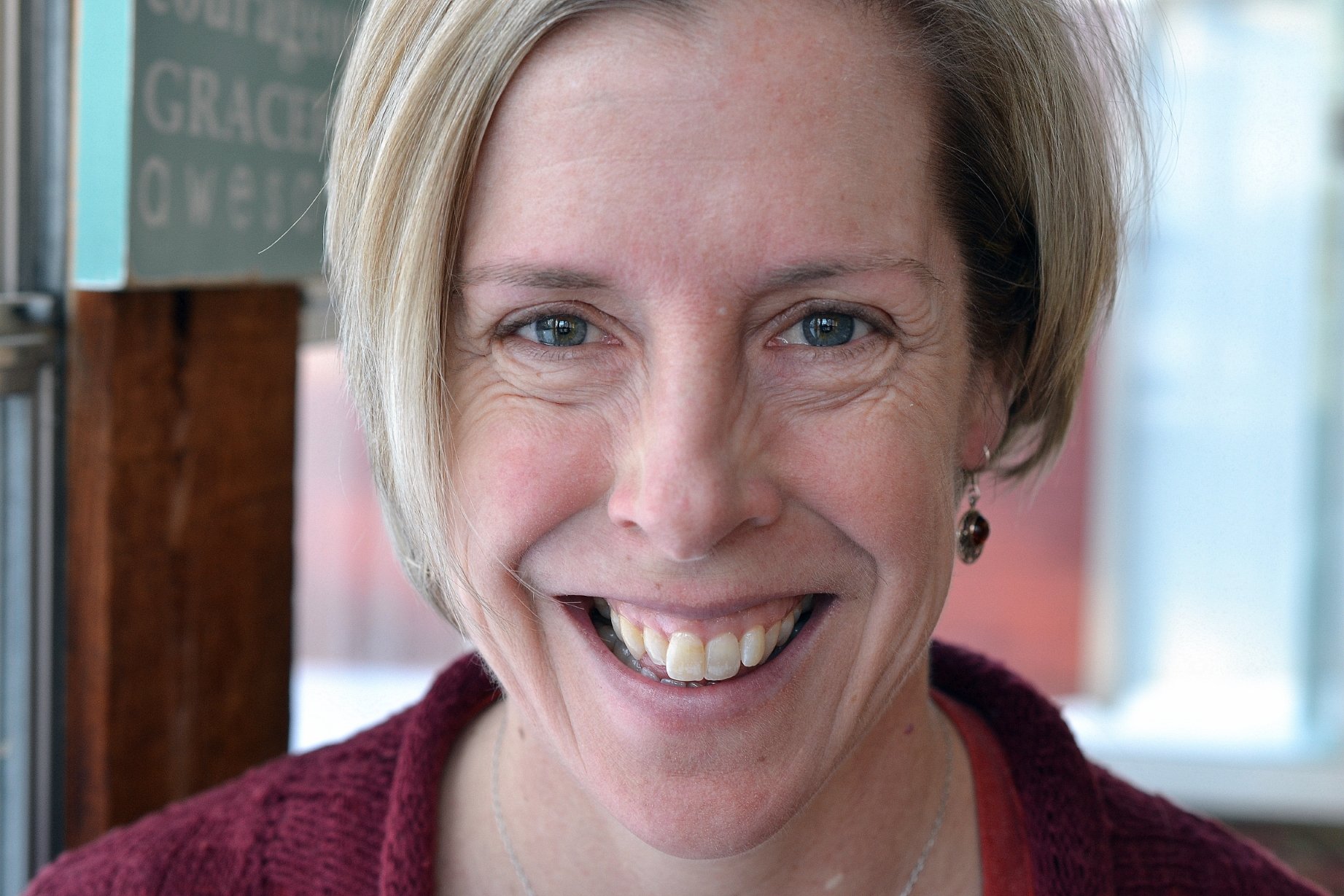
About Joy Jordan
I help people who struggle with anxiety, exhaustion, and busyness to slow down and savor life.
Unlike traditional approaches that can feel daunting, I focus on short, simple actions that can be easily integrated into your day.
My core values are love and courage. It takes both to show up wholeheartedly in this complex world.
Here are three experiences that shaped how I teach mindfulness…
Anxiety
In my late 30s, I experienced intense anxiety. Racing heart, excessive worry, and panic attacks. I was someone who always held it together, yet things were falling apart.
I’d read about meditation but wasn’t practicing. My middle-of-the-night panic attacks rocked me to the core. They got me to commit to meditation daily.
The changes weren’t immediate but my commitment (to myself) made a difference. After months of mindfulness practice, my relationship to anxiety shifted. It was no longer the big, scary thing. It was simply a passing storm.
More importantly, I trusted my capacity to watch the storm and love myself through it. Anxiety arises and rather than pushing it away, I breathe with it. It’s not pleasant yet it’s also okay.
Enoughness
For much of my adult life, I looked externally for signs I was enough and okay. I worked long hours, said yes to any request, did backflips to ensure people liked me, hosted parties, and ran marathons.
Underneath the fear was vulnerability: Am I enough? Am I lovable?
Meditation helped me sit with these feelings and find internal calm. My okayness didn’t come from my actions and accomplishments. It came from my being.
I still fall into the “not enough” habit but I recognize it sooner and make changes. Self-compassion is a big part of this healing—giving myself grace and beginning again.
Career change
For 14 years, I was a statistics professor at Lawrence University. I enjoyed making stats accessible to folks who thought they weren’t good at math. Watching them succeed made my heart happy.
Yet many parts of my job were exhausting. (This relates to my previous point about enoughness. I gave an unsustainable 200% to my work.)
My mindfulness practice supported me: I focused on my students, set boundaries, and cultivated my non-work life. Even with these positive changes, I grew more exhausted each year.
Ultimately, I resigned my tenured position. I love teaching but I was done teaching stats. I love Lawrence but I was done with the academic grind of do more, publish more, accomplish more.
Now I get to make mindfulness accessible to people who think they can’t meditate—I help people come home to themselves. My heart is again happy.
My approach
My approach to mindfulness is practical and grounded.
I know y’all are busy. You’re trying to find peace amid all the doings of the day. You don’t have time to sit in meditation for 20 minutes.
That’s why I’ve developed small yet powerful practices. These are low-commitment but high-impact tools that are quick to master. With my guidance, mindfulness becomes a habit integrated into your daily life.
My offerings include a variety of experiences: one on one, group, virtual, in-person, and asynchronous. And a variety of mediums: teaching, guided meditation, and reflective writing.
If something here resonates, you’re in the right place.
It’s possible to have a life that feels less rushed, more connected, and more like your own.
“Joy is supportive, loving, and authentic—willing to share her own struggles and soft spots. She risked everything, stopped doing what she once valued, and began a new career she believes in even more. Joy truly wants to help others and she meets us wherever we are in our journey.”